
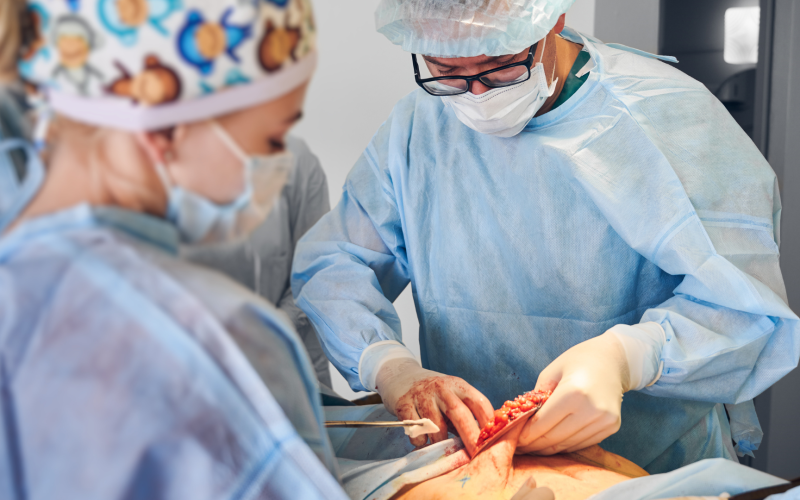
There are a lot of myths surrounding tummy tuck surgery – some of them are downright scary, so it’s essential to be educated about all the facts before making a decision. This blog post will discuss everything we need to know about the procedure, including what to expect before, during, and after surgery.
What is a Tummy Tuck?
A tummy tuck, or abdominoplasty, is a cosmetic surgical procedure designed to remove excess skin and fat from the abdomen while tightening the underlying muscles for a firmer, more toned appearance. It is often sought by individuals who have experienced significant weight loss, pregnancy, or aging, which can leave the abdominal area loose or sagging. The procedure involves an incision along the lower abdomen, through which the surgeon reshapes and contours the midsection. Those interested can learn more about this by looking up “expert tummy tuck procedures in Houston” or similar phrases on the Web.
What is the Cost of a Tummy Tuck?
The cost of a tummy tuck varies based on several factors, including the complexity of the procedure, the surgeon’s experience, the geographic location, and whether additional treatments, such as liposuction, are included. On average, a tummy tuck costs between $5,000 and $10,000, though prices can be higher for more extensive procedures. Insurance typically does not cover tummy tucks unless deemed medically necessary, such as after significant weight loss resulting in excess skin that causes medical issues. If insurance does not apply, many surgeons offer flexible financing options or payment plans, allowing patients to manage costs more effectively while achieving their desired results.
Who Should Get a Tummy Tuck?
The major tummy tuck benefits are that it removes excess skin and fat from the abdominal area, which helps to reduce the appearance of a protruding stomach or improve the abdomen’s contour after weight loss. It may also correct other health problems that cause excess skin, such as Rectus Abdominis muscle weakness (a common problem after gastric bypass surgery), a flabby torso, or an inverted triangle shape.
The surgeon who performs a tummy tuck will first evaluate the medical history and recommend a treatment plan specific to the situation. It’s important to find an expert abdominoplasty specialist in Chicago or other areas to perform the operation so that they have the experience needed to do a good job. The client will then undergo a physical examination to determine if they are a good candidate for surgery.
The following are some of the factors that may influence whether or not we should have a tummy tuck:
- Unhappy with our current appearance
- Overweight or obese
- Obesity-related health problems include diabetes, high blood pressure, heart disease, etc.
- An excessive amount of loose skin on our abdomen?
How is the Procedure Done?
There are a few different ways the procedure can be done, but it often involves making an incision just below the navel to divide the stomach into two parts. During the process, the surgeon removes excess fat, muscle, and connective tissue, replacing it with new tissue. Typically, small incisions allow the surgeon to maneuver within the stomach without damaging internal organs. As there are several ways in which this procedure can be done, it is important that you consult with a reputable plastic surgery nyc clinic to determine the best approach for your specific needs and ensure a safe and effective outcome.
Recovery after a Tummy Tuck
After surgery, our surgeon will likely give us specific instructions on how to care for our incision. Follow these guidelines closely to ensure a speedy and successful recovery.
Walking
Start slowly by walking short distances, up and down stairs, or around the house. Gradually increase the distance we walk each day.
Rest
Avoid strenuous activity for the first two weeks after surgery. This includes anything that might cause pain, such as lifting or running. Instead, focus on easy exercises like walking and gentle yoga stretches.
Ice Pack Therapy
Place an ice pack on the surgical site at least twice daily for the first week following surgery. Do not use an ice pack longer than 20 minutes at a time because it can increase blood pressure and swelling.
Sitting or Lying Down
If we can sit or lie down, do so as much as possible during the first few days post-op. When sitting, prop up our feet with pillows or cushions to prevent blood from flowing back into our legs from below (called pooling). When lying down, place a thin pillow between the knees to help decrease swelling in that area. Over time, we can resume all activities except standing for long periods.
What are the Risks?
There are a few risks associated with abdominoplasty, but they are minimal compared to other plastic surgery procedures. The most common risk is that the surgery will not be successful, and the excess skin will need to be removed. This can be done through a series of surgical procedures or a single procedure known as a “flap.” Other risks include infection, nerve damage, and stretch marks. We must talk to our surgeons about what risks we are willing to take to achieve the desired results.
Tuck The Tummy to Get that Fab Look
If we consider a tummy tuck, this article has given us insight into the various procedures and what to expect. It is an essential step in restoring our appearance after childbirth or weight loss, and it can be life-changing with the right surgeon and care. Be sure to speak with the doctor about the individual needs and goals before scheduling surgery to get the best results possible.