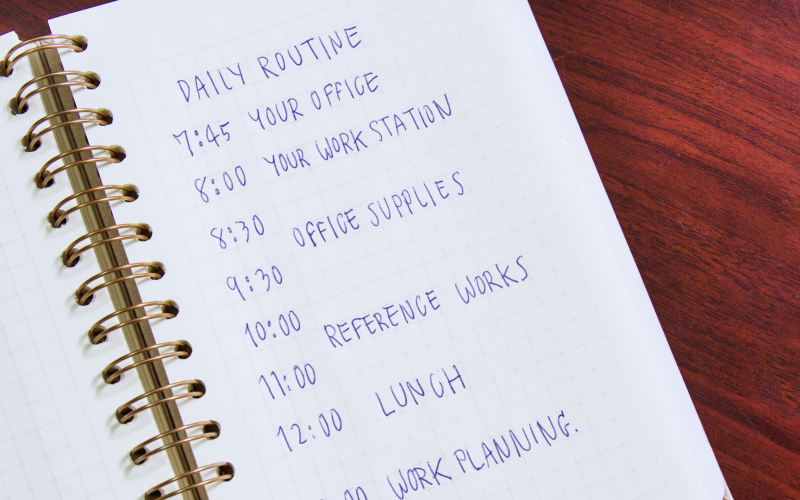
Creating daily structure is about setting clear priorities and consistent routines that guide your day from start to finish. The key is to design a simple framework that balances work, rest, and personal time to maintain focus and productivity.
By breaking the day into manageable segments and planning specific tasks or habits during those times, you reduce decision fatigue and make progress more predictable. This approach helps build momentum and minimizes distractions.
Understanding what you need to accomplish and when allows you to allocate your energy effectively. With a daily structure, you gain control over your time instead of reacting to whatever comes up.
Understanding the Importance of Daily Structure
Creating a daily structure organizes time effectively and influences many aspects of life. It shapes how tasks are approached, affects mental clarity, and encourages healthy habits.
Benefits of a Structured Day
A well-planned day reduces decision fatigue by giving clear priorities. Knowing what to do and when limits procrastination and increases focus. Structured days often include time blocks for work, breaks, and personal activities, which help balance energy and prevent burnout.
This approach fosters consistency, which improves skill development and goal achievement. Additionally, routines help anchor habits, such as exercise or reading, making them easier to maintain. A clear schedule also reduces stress by eliminating uncertainties about what comes next.
Common Challenges Without Structure
Without a daily structure, time can be wasted on non-essential activities. Tasks may pile up or be rushed at the last minute, creating pressure and lowering quality. Missing deadlines and forgetting responsibilities happen more frequently without a plan.
Lack of framework often leads to distraction and difficulty in prioritizing. It can also cause irregular sleep patterns and poor diet choices, as no set times exist for rest or meals. This instability might increase anxiety and reduce overall effectiveness during the day.
Impact on Productivity and Well-being
Structured days contribute directly to higher productivity by enabling focused work sessions. When tasks are scheduled, it is easier to measure progress and adjust workloads. This disciplined approach helps break large projects into manageable steps.
Well-being improves as routines stabilize sleep, nutrition, and physical activity. Consistency in these areas supports mental resilience and energy levels. Establishing boundaries for work and personal time also encourages relaxation and reduces burnout risks.
Assessing Your Current Routine
Understanding how your time is spent is crucial for creating an effective daily structure. This involves pinpointing activities that consume time without adding value, systematically logging your day-to-day tasks, and clearly defining what matters most to you.
Identifying Time Wasters
Start by listing activities that interrupt your productivity or waste time. Common time wasters include excessive social media use, unnecessary meetings, and multitasking on low-priority tasks. Note not just the activity but also when and why it happens.
Evaluate habits like checking your phone frequently or taking prolonged breaks without purpose. Reducing or eliminating these can free up significant time. Prioritize tasks that align with your goals and question the necessity of interruptions that break your focus.
Tracking Daily Activities
Keep a detailed log of your daily activities for at least three days. Record start and end times, activity descriptions, and any observations about productivity or distractions. Use a spreadsheet, app, or notebook—choose the method that you’ll maintain consistently.
Organizing your data helps spot patterns, such as peak productivity hours or frequent breaks. This insight reveals where adjustments can be made to enhance time usage. Being honest and thorough is key to understanding your actual routine.
Recognizing Personal Priorities
Identify tasks and responsibilities that have the highest positive impact on your life and goals. These might include work projects, family time, or self-care activities. Rank them by importance rather than urgency to clarify where to focus.
Consider what outcomes you want daily and weekly. Align your routine with these priorities by dedicating time slots for them first. This prevents critical activities from being overshadowed by less important tasks or distractions.
Setting Clear Goals and Priorities
Creating a daily structure requires identifying what truly matters and organizing tasks accordingly. This means establishing specific objectives, understanding their importance, and ensuring your daily actions reflect those priorities.
Defining Short and Long-Term Objectives
Start by listing your long-term objectives, such as career growth, health improvements, or skill development. These goals provide a clear direction and help maintain focus over time.
Next, break down long-term goals into short-term targets. For example, if improving fitness is a long-term objective, a short-term target might be exercising three times per week.
Clear objectives must be specific, measurable, and time-bound. Write them down and review regularly to maintain motivation.
Ranking Daily Tasks
Identify all tasks you need to complete each day. Then, assign priority levels such as high, medium, or low based on urgency and impact.
A simple system to prioritize:
| Priority | Description | Examples |
| High | Immediate, high-impact tasks | Meeting deadlines, urgent emails |
| Medium | Important but not urgent | Planning, exercise |
| Low | Optional or low-priority tasks | Browsing social media |
Start your day with high-priority tasks. This strategy prevents procrastination and ensures progress toward meaningful goals.
Aligning Structure With Goals
Design your daily schedule to address your priorities first. Allocate specific time blocks for high-priority tasks to enforce focus.
Avoid overloading your schedule. Leave buffer periods for unexpected tasks or breaks to maintain productivity.
Review whether completed tasks align with your objectives weekly. Adjust your structure if activities are steering you away from your goals.
Designing Your Ideal Daily Schedule
Creating an effective daily schedule requires clear prioritization and careful time management. It involves assigning specific blocks for focused tasks, ensuring regular breaks, and maintaining a healthy balance between work and personal activities.
Time Blocking Techniques
Time blocking segments the day into focused intervals for different tasks. Assigning 60- to 90-minute blocks can enhance concentration by reducing multitasking and distractions. Use calendar tools or planners to visually organize these sessions.
Start with high-priority or energy-intensive tasks in the morning when alertness peaks. Group similar activities together, such as emails or meetings, to streamline workflow. Leave buffer time between blocks to adjust for unexpected interruptions or overruns.
Allocating Breaks and Downtime
Schedule regular breaks to sustain productivity and mental clarity. Incorporate short breaks of 5-10 minutes every hour to prevent fatigue. Longer breaks, like a 30- to 60-minute lunch, help reset focus and reduce stress.
Use break periods for physical movement, hydration, or relaxation. Avoid screen time during these breaks to better rejuvenate the mind. Consistent downtime promotes sustained energy levels and reduces burnout risk.
Balancing Work and Personal Life
Define clear boundaries between work hours and personal time. Schedule activities such as exercise, meals, and hobbies to ensure they receive dedicated attention. This prevents work from encroaching on personal well-being.
Prioritize family and social engagements similarly within the daily plan. Adjust work tasks as needed to accommodate personal responsibilities. Maintaining this balance supports both productivity and long-term health.
Implementing and Adjusting Your Daily Structure
Successfully establishing a daily structure requires practical tools and techniques. It also demands consistent effort to form habits that support your planned routine.
Using Tools and Planners
Digital calendars, physical planners, and task management apps are effective tools. Choose one that fits your style: for example, Google Calendar for digital scheduling or a bullet journal for analog preferences.
Set reminders for key activities to keep you on track throughout the day. Use color-coding to prioritize tasks—red for urgent, green for completed, and blue for routine actions.
Review your planner daily and adjust time blocks based on task completion. This adaptability allows you to stay flexible and responsive without abandoning your structure entirely.
Building Consistent Habits
Start with small, manageable habits that reinforce your structure, such as waking up at the same time or having set work blocks.
Consistency matters more than intensity. Repeating habits at the same time solidifies them in your routine. For example, a 10-minute morning review of your schedule can anchor your day.
Track your progress using habit trackers or journals. Reflect weekly to identify what works and adjust habits that don’t support your goals or become cumbersome.
Overcoming Obstacles in Maintaining Structure
Maintaining a daily structure requires handling interruptions effectively and staying flexible under changing circumstances. The ability to control distractions and adjust plans quickly is crucial for consistent productivity.
Managing Distractions
Distractions can derail your daily structure if not managed actively. Identify common sources such as phone notifications, social media, or noisy environments. Use tools like app blockers or set specific time blocks when you avoid checking messages entirely.
Create a dedicated workspace free from unrelated items. Inform others about your schedule to minimize unexpected interruptions. When distractions occur, practice brief mindfulness or deep breathing to regain focus quickly.
A helpful method is the Pomodoro Technique: work for 25 minutes, then take a 5-minute break. This reduces burnout and increases concentration by breaking work into manageable intervals.
Adapting to Unexpected Changes
Unexpected events can disrupt your planned activities, but adapting prevents loss of momentum. Keep flexibility in your schedule by reserving buffer time for unforeseen tasks or delays.
When a change occurs, reassess priorities immediately. Shift non-urgent tasks to later or redistribute workload across the day. Use a planner or digital calendar with reminders to visualize adjustments clearly.
Maintaining a mindset of adaptability means accepting that structure exists to serve your goals, not restrict you. Being proactive in updating plans helps maintain control rather than feeling overwhelmed.
Evaluating and Improving Your Routine
Assessing how well your daily structure works requires consistent monitoring and adjustments. Accurate tracking of outcomes and a willingness to modify plans based on results are essential for progress.
Reviewing Progress Regularly
Set fixed intervals, such as weekly or biweekly, to review your daily routine. During each review, check which activities were consistently completed and which ones caused delays or stress. Use a journal or digital tracker to log tasks, noting time spent and any obstacles encountered.
Identify patterns like energy highs and lows or recurring distractions. This data highlights what works and what needs change. Questions to consider:
- Did I complete my top priorities each day?
- Which tasks took longer than expected?
- When did I feel most focused or distracted?
Avoid judgment. Focus on facts and adjust based on objective findings to improve efficiency.
Refining Your Daily Plan
Use findings from your review to update your schedule. Shift high-energy tasks to periods when focus is strongest. Reduce or eliminate low-value activities that consume too much time.
Experiment with different structures, such as time-blocking or batching similar tasks together. Be specific about changes—e.g., “Move exercise from morning to late afternoon” or “Limit social media to 15 minutes after lunch.”
Keep adjustments manageable. Change one or two variables at a time to clearly see their impact. Maintain flexibility by revisiting and iterating your plan as needed.
Conclusion
Creating a daily structure is a practical approach to managing time and energy. It helps build consistency and reduces decision fatigue by establishing clear routines.
A structured day balances work, rest, and personal needs. Flexibility within the routine allows adjustments without losing overall flow.
Key elements to maintain daily structure:
- Prioritizing tasks based on importance
- Allocating specific time blocks for activities
- Incorporating breaks to maintain focus
Using tools like planners or digital calendars can reinforce daily habits. Reviewing and tweaking the structure periodically keeps it aligned with changing goals.
Ultimately, a well-planned schedule supports productivity and wellbeing without overwhelming the day. Regular practice and commitment make structure a useful tool rather than a restriction.