
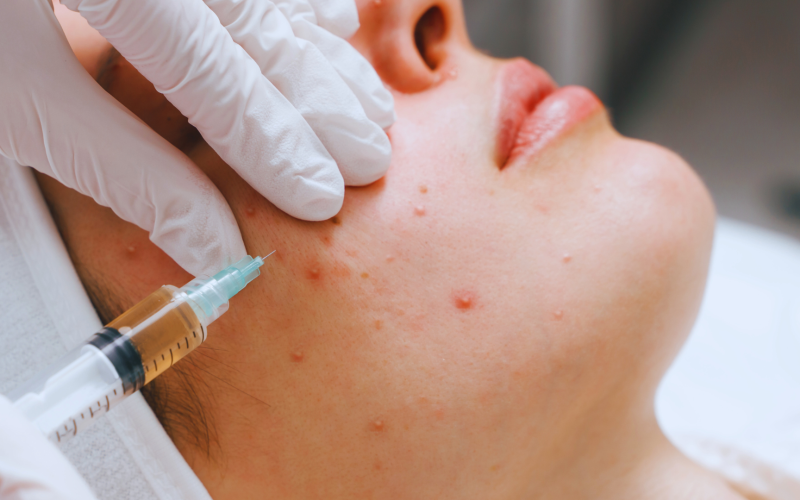
Acne scars can be a frustrating reminder of past breakouts, affecting confidence and self-esteem. To effectively treat these scars, individuals can explore options such as topical treatments, professional procedures, and natural remedies. Understanding the types of scars helps in selecting the right treatment for each unique situation.
Topical treatments like retinoids, vitamin C serums, and moisturizing products can significantly improve the appearance of scars over time. For more persistent scars, procedures such as chemical peels san antonio (or similar), laser therapy, or micro needling offer deeper solutions. Each method has its benefits and considerations, providing multiple pathways to smoother skin.
In addition to clinical options, natural remedies like aloe vera and honey may aid in skin healing and regeneration. Choosing the right approach tailored to individual skin types is crucial for achieving the best results. With the right knowledge, anyone can take meaningful steps toward reducing acne scars and enhancing their skin’s appearance.
Understanding Acne Scars
Acne scarring can affect individuals long after the initial outbreak has subsided. Various types of scars arise from different acne experiences and understanding this can help in choosing the right treatment strategy.
Types of Acne Scars
Acne scars are primarily categorized into four main types: atrophic scars, hypertrophic scars, ice pick scars, and boxcar scars. Atrophic scars are characterized by a loss of tissue, appearing as depressions on the skin. Hypertrophic scars, in contrast, involve raised tissue due to excess collagen during the healing process.
Ice pick scars are deep and narrow, resembling small punctures in the skin. Boxcar scars have wider and more defined edges, creating a “boxed” appearance. Rolling scars have a wave-like or undulating texture due to underlying tissue damage. Knowing the type is crucial for effective treatment options.
Causes of Scar Formation
Scar formation is often the direct result of inflamed acne lesions. When an acne sore becomes inflamed, the body initiates a healing process. If the inflammation affects deeper layers of the skin, it can lead to tissue damage.
Factors such as genetics, skin type, and the severity of acne can influence scarring potential. Poor healing practices, such as picking at acne or delayed treatment, may exacerbate scarring. Each individual’s skin responds differently, making preventative measures essential for minimizing scars.
The Role of Collagen in Healing
Collagen plays a vital role in skin repair and the healing of acne scars. When the skin suffers an injury or inflammation, collagen fibers are produced to facilitate healing. However, an imbalance in collagen production can lead to either underproduction, resulting in atrophic scars, or overproduction, which creates hypertrophic scars.
- Collagen is crucial for maintaining skin structure and elasticity.
- The efficiency of collagen production is influenced by factors such as age and overall skin health.
Understanding the dynamics of collagen can help individuals select suitable treatments that promote proper healing and minimize scar formation. In some cases, this may include incorporating collagen supplements into their overall wellness routine to support skin health from within.
Professional Treatments for Acne Scars
Various professional treatments can effectively address acne scars. These methods range from chemical procedures to surgical interventions, tailored to different skin types and scar severity.
Chemical Peels and Dermabrasion
Chemical peels utilize acids to remove the outer layers of skin, enhancing texture and promoting new skin growth. A dermatologist may suggest medium to deep chemical peels for stubborn scars. The depth of the peel is adjusted based on individual skin concerns and type of scarring. You can have this done at a Med Spa Lubbock (or elsewhere) if needed, they can also offer you other treatments that can help with additional skin issues that you may have developed.
Dermabrasion is a mechanical exfoliation technique that removes the outermost skin layer. This procedure focuses on smoothing the skin’s surface and requires precise skill to minimize trauma. Patients often experience redness and swelling post-treatment, but results can yield significant improvements in scar appearance.
Laser Treatments and Resurfacing Procedures
Laser treatments offer targeted precision in treating acne scars. Various types, including ablative and non-ablative lasers, work by stimulating collagen production and promoting skin renewal. Ablative lasers remove skin layers, while non-ablative options stimulate deeper tissue without affecting the surface.
Laser resurfacing procedures can significantly improve skin texture and tone. They are particularly effective for keloid scars and ice-pick scars. Regular follow-ups with a dermatologist ensure optimal results and adjustments as needed based on skin response.
Fillers and Injections
Fillers provide an effective, immediate solution for depressed scars by injecting substances like hyaluronic acid or fat, which raise the scars to the skin’s surface. This non-surgical treatment is a popular choice for those seeking quick results. You can easily discover skin clinic in Brighton or your local area to learn more about this service.
Likeiwse, steroid injections can flatten raised scars, such as keloids. These corticosteroids reduce inflammation and can improve texture. Multiple sessions might be needed to attain desired outcomes, making follow-up appointments crucial to monitor progress and effectiveness.
Surgery Options for Severe Scarring
For significant scarring, surgical options offer potential resolution. Punch excision involves removing individual scars and stitching the area closed, resulting in less visible scars over time. This method is particularly effective for severe, isolated scars.
Micro needling, often combined with radiofrequency, can also provide surgical-like improvements. This procedure stimulates collagen while minimizing downtime. A dermatologist assesses scar severity to determine the most suitable approach for each patient’s scars.
At-Home Treatments and Skincare
Effective at-home treatments for acne scars involve using topical products, and natural remedies, and implementing preventive skincare routines. Each method can help improve skin texture and tone while reducing scarring.
Topical Treatments
Topical treatments are crucial for addressing acne scars and can deliver significant results. Retinoids and retinol encourage cell turnover and smooth the skin’s texture. Salicylic acid is an effective exfoliant that helps clear pores and can reduce the appearance of scars.
Alpha hydroxy acids (AHAs), like glycolic and lactic acid, help in exfoliating dead skin cells, revealing newer skin underneath. Vitamin C is another key ingredient, known for its brightening effects and ability to fade discoloration. Azelaic acid provides anti-inflammatory benefits and can help reduce redness associated with scars.
Regular use of these ingredients can improve skin texture and diminish scars over time.
Natural Remedies
Natural remedies can also support skin healing without harsh chemicals. Aloe vera is praised for its soothing and moisturizing properties. Applying aloe gel can help reduce inflammation and promote healing.
Vinegar may be used sparingly as a toner due to its mild acidity, which can help exfoliate the skin. Cica, or Centella Asiatica, is known for its calming effects on irritated skin and can promote healing.
Using natural ingredients ensures a gentler approach to scars while providing essential nutrients and support for skin health.
Preventative Skincare
Preventative skincare is essential in managing and reducing future acne and scars. Daily application of a broad-spectrum sunscreen protects the skin from UV damage, which can darken scars.
Creating a consistent skincare routine is vital. Cleansing twice daily with a suitable cleanser can help keep pores clear. Incorporating a gentle exfoliation routine with products containing AHAs or salicylic acid can further prevent breakouts.
Hydration with hyaluronic acid can maintain skin moisture and elasticity, crucial for healing. Employing these practices consistently will create a solid foundation for healthier skin.