
Improving self-awareness starts with observing your thoughts, feelings, and behaviors without judgment. Being honest with yourself about your strengths and weaknesses allows you to make clearer, more effective decisions. This awareness can lead to better relationships and personal growth.
Journaling, meditation, and seeking feedback from others are practical tools to increase self-awareness. Each method helps in identifying patterns in how you react and interact, giving insight into your true motivations.
By consistently practicing these techniques, self-awareness becomes a natural part of daily life. This ongoing process sharpens your ability to understand yourself and adapt to new challenges.
Understanding Self-Awareness
Self-awareness involves recognizing your own thoughts, emotions, and behaviors. It also includes understanding how these inner experiences impact your actions and interactions with others. This section breaks down the key aspects, benefits, and types of self-awareness.
Definition and Core Concepts
Self-awareness is the ability to observe and reflect on your internal state objectively. It means noticing your feelings, motivations, and habits without judgment.
At its core, it involves two main parts: internal self-awareness (how clearly you know your values and emotions) and external self-awareness (how well you understand how others perceive you). Developing both leads to better decision-making and emotional regulation.
Benefits of Developing Self-Awareness
Increasing self-awareness improves emotional intelligence. It helps you identify triggers and manage stress more effectively.
Better self-awareness also enhances communication skills, making interactions clearer and more genuine. It supports personal growth by revealing where changes are needed.
People with high self-awareness tend to be more adaptable and better at resolving conflicts. They also build stronger relationships due to their understanding of how their behavior affects others.
Types of Self-Awareness
- Internal Self-Awareness: Focuses on understanding your feelings, beliefs, and values. It helps align your actions with your core principles.
- External Self-Awareness: Involves recognizing how others see you, including your impact in social and professional settings.
Another type, emotional self-awareness, is the ability to identify and label your emotions accurately. These types work together to create a comprehensive understanding of yourself.
Self-Reflection Techniques
Building self-awareness requires consistent practice with specific methods that reveal patterns in thoughts and emotions. Techniques like writing, meditating, and evaluating personal progress provide actionable insight for growth.
Journaling for Insight
Journaling involves writing daily or weekly about thoughts, feelings, and reactions. This process uncovers recurring themes and emotional triggers. Use prompts such as “What made me feel challenged today?” or “How did I respond to stress?” to focus entries.
Organize your journal by categories:
- Emotions experienced
- Reactions to events
- Lessons learned
Review past entries monthly to identify progress and areas needing attention. Digital or paper journals both work, but ensure privacy to encourage honesty.
Mindful Meditation Practices
Mindful meditation centers attention on the present moment, observing thoughts without judgment. This practice helps recognize automatic responses and separates identity from passing mental states.
Start with short sessions, 5-10 minutes daily, focusing on breathing or body sensations. Gradually extend duration as comfort increases. Use apps or guided audio if new to meditation.
Maintaining a non-reactive stance during meditation trains awareness of how thoughts and emotions arise, supporting calmer, clearer decision-making in daily life.
Regular Self-Assessments
Conducting self-assessments at set intervals promotes structured reflection. Tools like questionnaires, checklists, or rating scales on emotional regulation, communication, and goal progress are effective.
Set reminders monthly or quarterly. Answer honestly and compare results over time to track improvements or setbacks. Examples include rating stress levels or effectiveness in managing conflicts.
Pair assessments with action plans. For instance:
- If stress ratings rise, implement stress-reduction techniques.
- If communication scores drop, seek feedback or practice active listening.
Recognizing Emotional Triggers
Understanding specific emotional responses and patterns is essential for identifying what causes certain feelings. This involves observing how emotions arise and noting the situations or behaviors that lead to these reactions.
Identifying Emotional Responses
Pay close attention to your physical and mental reactions when triggered. Common signs include increased heart rate, tension, irritability, or sudden shifts in mood. Naming the emotion—such as anger, sadness, or anxiety—helps bring clarity to your experience.
Use a journal or app to record these moments immediately. Note the context, who was involved, and what was said or done. This detail aids in pinpointing exact triggers rather than guessing based on vague feelings.
Key indicators to track:
- Physical sensations (tight chest, sweating)
- Thought patterns (negative or repetitive thoughts)
- Behavioral changes (withdrawal, aggression)
Tracking Patterns and Behaviors
Look for recurring situations or people that consistently provoke emotional reactions. Over time, you will identify patterns that reveal underlying triggers. For instance, criticism may trigger defensiveness, or crowded places might cause anxiety.
Create a table categorizing triggers by frequency and intensity. For each, list related behaviors and thoughts. This structured approach makes it easier to anticipate and manage emotional responses.
| Trigger Type | Frequency | Common Reactions | Associated Behaviors |
| Social criticism | High | Defensiveness, anger | Avoidance, arguing |
| Work deadlines | Medium | Stress, irritability | Procrastination |
Recognizing these patterns enhances self-awareness and guides deliberate emotional regulation strategies.
Seeking Feedback from Others
Gaining insight from others offers a valuable perspective that personal reflection alone often misses. Targeted communication and careful listening can reveal blind spots and areas for growth.
Constructive Communication
To receive useful feedback, clearly ask for specifics rather than general impressions. Frame requests with questions like, “Can you describe a recent time when I handled a situation well or not so well?” This guides others to provide actionable details.
Maintain a calm, open attitude during conversations. Avoid defensive reactions—even if the feedback is critical. Clarify points without arguing; this ensures the message is understood.
Use tools such as feedback journals to document comments regularly. Review these notes to identify recurring patterns. Consistent, honest dialogue fosters trust and increases the likelihood of genuine, helpful insights.
Leveraging Peer Observations
Peers observe behaviors that may not be apparent to you. Select colleagues or friends who interact with you in different settings to get a well-rounded view.
Ask peers to note both strengths and weaknesses in specific areas like communication style, decision-making, or teamwork. This balanced approach prevents feedback from feeling like personal criticism.
Consider structured methods such as 360-degree feedback surveys or informal check-ins. These approaches systematize input collection and encourage honest responses without pressure.
Peers’ perspectives help align self-perception with external realities, enhancing overall self-awareness.
Setting Personal Growth Goals
Defining clear targets and tracking improvement are essential steps in enhancing self-awareness. This involves selecting objectives that resonate personally and creating measurable ways to evaluate progress.
Establishing Meaningful Objectives
Choose goals that align with your values and areas needing improvement. For example, focus on understanding emotional triggers, improving communication skills, or increasing mindfulness.
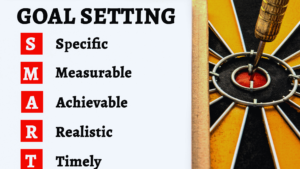
Use the SMART criteria to define your goals clearly:
| Criterion | Explanation |
| Specific | Target a precise skill or behavior |
| Measurable | Ensure progress can be tracked |
| Achievable | Set realistic and attainable goals |
| Relevant | Pick objectives that matter to you |
| Time-bound | Establish deadlines for milestones |
Breaking objectives into smaller steps helps maintain focus and motivation. Write down your goals to increase commitment.
Measuring Progress and Adjusting Strategies
Track your development by keeping a journal or using apps dedicated to self-reflection. Note specific instances where increased self-awareness affected your behavior.
Regularly review the outcomes against your goals. If progress stalls or goals no longer fit, adjust your methods or targets.
Feedback from trusted friends or mentors can offer additional insights. This external view can uncover blind spots you may miss during self-assessment.
Consistent monitoring combined with flexibility in approach ensures growth stays aligned with real-world changes.
Building Emotional Intelligence
Developing emotional intelligence involves recognizing others’ feelings and managing your own emotional responses effectively. This skill helps in creating better relationships and making thoughtful decisions.
Improving Empathy
Empathy requires actively listening to others and understanding their emotions without judgment. Focus on observing nonverbal cues such as body language and tone of voice, which reveal more than words alone.
Practice asking open-ended questions to encourage others to share their feelings. Reflect on their perspective by summarizing what they express, which demonstrates genuine understanding.
Regularly challenge your assumptions about people’s motives and experiences. This helps to reduce biases and improve your capacity to connect emotionally with diverse individuals.
Enhancing Self-Regulation
Self-regulation begins with awareness of emotional triggers and learning to pause before reacting. Techniques like deep breathing or counting to ten can create space to respond thoughtfully instead of impulsively.
Tracking your mood patterns over time can reveal recurring triggers and help identify strategies for managing emotional reactions. Journaling, a commonly used coping methods allows evaluation of what works best.
Developing patience and resilience supports maintaining control in stressful situations. Consistently practicing calming techniques strengthens your ability to manage emotions and maintain focus on goals.
Overcoming Barriers to Self-Awareness
Improving self-awareness requires identifying common mental roadblocks and learning how to react constructively to challenging feelings. Recognizing and adjusting thought patterns can reveal hidden biases, while managing emotional defenses allows clearer self-reflection.
Addressing Cognitive Biases
Cognitive biases distort perception and impair self-awareness by reinforcing inaccurate self-images or justifications. Common biases include confirmation bias, where you seek information that supports your beliefs, and the self-serving bias, which attributes successes to personal traits and failures to external factors.
To counter these, actively seek diverse perspectives and challenge your initial thoughts. Keep a journal to track assumptions and test their validity. Taking time to reflect before reacting helps identify biases influencing your views.
Using tools like feedback from trusted peers or objective data can expose blind spots. Structured reflection exercises, such as asking “What evidence supports this belief?” or “Could there be another explanation?” encourage a more balanced understanding of yourself.
Managing Defensive Reactions
Defensive reactions often arise when self-awareness triggers discomfort or threats to self-esteem. These reactions can include denial, rationalization, or blame-shifting, which block honest self-assessment.
Practice recognizing physical and emotional signals of defensiveness, such as tension or irritation. Pausing to breathe deeply and mentally stepping back creates space to respond thoughtfully rather than react impulsively.
Building emotional resilience through mindfulness or stress reduction supports maintaining calm in challenging moments. Accepting uncomfortable truths as opportunities for growth, rather than threats, reduces resistance to self-examination.
Develop a habit of asking yourself constructive questions like “Why do I feel threatened by this feedback?” This approach diminishes defensive responses and opens the door for meaningful insight and change.
Integrating Self-Awareness into Daily Life
Building self-awareness requires deliberate actions that fit into everyday routines. This includes regular reflection and maintaining a balance between understanding oneself and making practical decisions.
Practicing Consistent Self-Check-Ins
Set specific times during the day to pause and assess your thoughts and feelings. For example, use morning and evening moments to note your current mood and what triggered it.
Journaling briefly can help track patterns over time. Focus on questions like: What am I feeling right now? Why? and How is this affecting my behavior?
Consistency is key. Even short, frequent check-ins reinforce an accurate self-image and highlight areas needing adjustment before they escalate.
Balancing Self-Awareness with Action
Avoid over-analyzing by setting limits on reflection time. Use insights gained from self-awareness as a basis for practical, goal-oriented decisions.
Create an action plan that addresses any identified weaknesses or habits. For instance, if impatience is a recurring issue, practice deep breathing before responding.
Regularly review progress to ensure self-awareness translates into improvement. This balance prevents stagnation while encouraging growth rooted in reality.
Resources for Continued Development
Access to effective materials and guidance can strengthen self-awareness over time. Utilizing targeted books, tools, workshops, and expert support provides structured pathways for growth.
Recommended Books and Tools
Key books for improving self-awareness include “Emotional Intelligence” by Daniel Goleman and “The Power of Now” by Eckhart Tolle. These works offer practical insights into emotional understanding and present-moment awareness. Journaling apps like Day One or reflective tools such as the VIA Character Strengths survey can also help track progress and identify patterns.
Mindfulness meditation apps such as Headspace and Calm support focus on awareness of thoughts and emotions. Combining reading with interactive tools encourages consistent practice and deeper understanding, essential for lasting self-awareness.
Workshops and Professional Support
Joining workshops focused on emotional intelligence or mindfulness can provide hands-on practice and peer feedback. Organizations like the Emotional Intelligence Training Company offer structured courses both online and in-person.
Professional help from therapists or life coaches specializing in self-awareness techniques can address individual challenges. This targeted support helps uncover blind spots and develop personalized strategies to improve self-knowledge effectively.