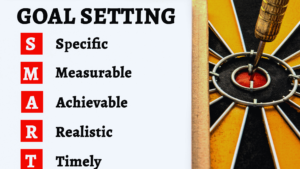

Lifestyle habits shape the foundation of long-term success. Consistently adopting positive routines such as setting clear goals, managing time effectively, and maintaining physical and mental health can create lasting results. The key to sustained achievement lies in building daily habits that support persistence and growth.
Success does not come from occasional effort but from steady, purposeful actions. Small changes in mindset and behavior accumulate over time, leading to improved focus and resilience. Developing habits that align with your values ensures your progress remains consistent and meaningful.
Building a Long-Term Success Mindset
Achieving long-term success relies on mental strength, continuous learning, and clear goal-setting. These elements work together to maintain motivation, adapt to challenges, and direct efforts purposefully.
Developing Resilience
Resilience is the ability to recover quickly from setbacks. Strengthening this trait involves embracing failure as an opportunity to learn rather than a defeat.
Practicing stress management techniques like mindfulness or controlled breathing can improve emotional control during difficult times. Building a support network also helps provide perspective and encouragement when challenges arise.
Consistency matters. Small daily actions—such as reflecting on obstacles and identifying lessons—gradually increase mental toughness. This approach prevents discouragement from derailing progress.
Cultivating Growth-Oriented Thinking
A growth mindset sees abilities as improvable through effort. This mindset fosters openness to feedback and a willingness to tackle difficult tasks.
To develop this thinking, regularly challenge current skills and seek new knowledge. Replace negative self-talk with affirmations that emphasize ability development. For example: “I can improve with practice.”
Avoid fixed beliefs like “I’m just not good at this.” Viewing challenges as temporary and solvable promotes persistence. This attitude leads to a cycle of improvement and confidence-building.
Setting and Adjusting Meaningful Goals
Clear, specific goals guide focused action. Start by defining what success looks like in measurable terms, then break large ambitions into smaller, achievable steps.
Use tools like the SMART framework:
- Specific
- Measurable
- Achievable
- Relevant
- Time-bound
Regularly review and adjust goals based on progress and changing circumstances. Flexibility prevents stagnation and keeps efforts aligned with current priorities.
Writing goals down and tracking achievements reinforces commitment. Celebrating milestones enhances motivation and signals forward movement.
Productive Daily Routines
A successful daily routine organizes tasks efficiently, maintains steady progress, and limits interruptions. Building habits around structured time use, consistency, and focus directly affects long-term productivity and goal achievement.
Effective Time Management
Allocating specific time blocks for different activities reduces decision fatigue and increases output. Use techniques like the Pomodoro method or time blocking to structure work periods and breaks.
Prioritize tasks by urgency and importance using tools like the Eisenhower Matrix. This helps avoid spending too much time on low-impact activities.
Planning the day ahead each morning or the previous evening ensures clarity. This can include scheduling meetings, setting task deadlines, and allotting time for unexpected interruptions.
Prioritizing Consistency
Consistency enforces momentum and reinforces productive behaviors. Establishing a fixed wake-up time and start-of-work routine signals the brain to transition into focus mode.
Daily habits like reviewing goals or journaling keep priorities top of mind. Avoid drastic changes in your routine to minimize disruptions and build reliability.
Tracking progress regularly encourages small, steady improvements. Even short, repeatable actions compound into larger achievements over weeks and months.
Minimizing Distractions
Create a workspace free from common interruptions like phone notifications or unnecessary browser tabs. Use apps or settings that block distracting websites during work sessions.
Inform colleagues or family members about focus periods to reduce unexpected disturbances. Physical cues such as noise-canceling headphones or a “do not disturb” sign can help.
Limit multitasking by focusing on one task at a time. This maintains deeper concentration and improves work quality compared to switching frequently between activities.
Health and Wellness Habits
Maintaining consistent routines around physical activity, diet, and sleep sets a strong foundation for sustained success. These elements influence energy levels, focus, and overall well-being, which are critical for long-term productivity.
Establishing Regular Exercise
Engaging in moderate exercise at least 150 minutes per week improves cardiovascular health and cognitive function. Activities like brisk walking, cycling, or strength training help build endurance and muscle tone without overloading the body.
Scheduling workouts at consistent times promotes adherence. Mixing aerobic and resistance exercises diversifies benefits, supporting fat loss and bone density.
Avoid extremes; balance intensity to prevent burnout or injury. Incorporate warm-ups and cool-downs to enhance recovery. Tracking progress encourages motivation and helps adjust routines based on results.
Nutritious Eating Patterns
Balanced meals combining vegetables, lean proteins, whole grains, and healthy fats support sustained energy release and brain function. Consuming fiber-rich foods stabilizes blood sugar and digestive health.
Avoid high sugar and processed foods that cause energy crashes. Hydration is equally important—drink at least 8 cups of water daily.
Meal planning and portion control prevent overeating and reduce reliance on convenience foods. Including omega-3 fatty acids from sources like fish or flaxseed supports cognitive sharpness.
Prioritizing Restful Sleep
A consistent sleep schedule with 7-9 hours of quality rest improves memory, mood, and immune function. Sleep environments should be cool, dark, and quiet to promote uninterrupted cycles.
Limit exposure to screens at least an hour before bedtime to reduce blue light interference with melatonin production. Avoid caffeine and heavy meals 3-4 hours before sleep.
Creating a bedtime routine, such as reading or meditation, signals the body to wind down. Tracking sleep patterns can identify disruptions and guide improvements.
Positive Social Connections
Strong social connections provide emotional support and practical help, which are essential for achieving long-term goals. Cultivating these connections requires intentional effort and clear communication.
Building Supportive Relationships
Focus on creating relationships where trust and mutual respect are central. Prioritize spending time with people who encourage growth and hold you accountable.
Consistency matters: regular interactions help strengthen bonds. Try scheduling weekly check-ins or shared activities that foster connection.
Identify common values and goals with those you invest in. This alignment makes support more effective and sustainable over time.
Avoid relationships that drain energy or foster negativity. Set boundaries to protect your focus and well-being.
Nurturing Effective Communication
Clear communication involves active listening and expressing yourself honestly. Pay attention to nonverbal cues like body language and tone.
Practice asking open-ended questions to understand others’ perspectives better. This approach builds empathy and trust.
Be concise and specific when sharing your thoughts. Avoid vague statements to reduce misunderstandings.
Use “I” statements to express feelings without blaming others. For example, say “I feel concerned when…” instead of “You always…”
Regularly check in to confirm understanding and adjust your communication style as needed. This adaptability promotes healthier interactions.
Financial Stability Practices
Achieving financial stability requires disciplined money management and building a strong foundation for the future. Key actions include controlling spending and making consistent saving choices that align with personal goals.
Budgeting and Expense Tracking
Creating and maintaining a detailed budget helps control finances effectively. Start by listing all sources of income and categorizing monthly expenses such as housing, utilities, food, transportation, and discretionary spending. Using apps or spreadsheets to record daily expenses ensures nothing is overlooked. This practice highlights unnecessary spending and areas where adjustments can be made.
Regularly reviewing and updating the budget allows for adapting to changes in income or expenses. Tracking purchases reduces impulse buying and helps prioritize bills and savings. Setting spending limits for each category supports sticking to the financial plan, preventing debt accumulation.
Smart Saving Strategies
Consistent saving is essential for long-term financial security. Establish an emergency fund covering 3-6 months of essential expenses to protect against unexpected costs like job loss or medical emergencies.
Automating savings contributions ensures regular deposits without relying on memory or motivation. Consider different saving accounts—for example, a high-yield account for emergency funds and a retirement account for long-term growth. Diversifying savings tools can optimize returns while keeping funds accessible when needed.
Setting specific saving goals with deadlines aids focus and motivation. Revisiting these goals periodically ensures that saving efforts remain aligned with life changes and financial objectives.
Continuous Learning and Skill Development
Staying relevant and effective requires ongoing effort to improve knowledge and skills. This involves actively engaging with new ideas and assessing personal performance regularly to identify growth opportunities.
Embracing Lifelong Education
Lifelong education means consistently seeking new knowledge beyond formal schooling. This can include online courses, workshops, books, and industry conferences. Focusing on areas directly related to your goals ensures that time spent learning produces tangible benefits.
Setting specific learning objectives helps maintain progress. For example, dedicating 30 minutes daily to reading or practicing a skill builds momentum. Tracking progress over time reveals improvements and areas needing attention.
Adapting to changes in your field is crucial. Staying current with trends or emerging technologies prevents skill stagnation. Lifelong education is a deliberate practice, not a one-time event.
Seeking Constructive Feedback
Regular feedback provides insight into strengths and weaknesses that may not be self-evident. Actively requesting critique from peers, mentors, or supervisors is essential for accurate self-assessment.
Effective feedback is specific, actionable, and timely. Vague comments like “do better” offer little direction. Instead, detailed suggestions such as “improve your data analysis presentation by including clearer visuals” guide meaningful improvement.
Accepting criticism without defensiveness promotes growth. Reflecting on feedback and creating an action plan helps integrate changes. Repeated cycles of feedback and adjustment enhance skill development over time.
Self-Reflection and Adaptability
Understanding your progress and being flexible with your methods are essential for maintaining growth and overcoming obstacles. Regularly assessing your actions and shifting strategies when needed keeps your efforts aligned with your goals.
Regular Progress Evaluation
Tracking your progress consistently helps identify what works and what stalls advancement. Use tools like journals, apps, or spreadsheets to log key activities and outcomes weekly or monthly.
Set specific metrics to measure success—such as hours spent on tasks, milestones reached, or behavior changes observed. Reviewing these numbers reveals patterns and areas for improvement.
Reflect not only on achievements but also on challenges. Asking questions like What slowed me down? Or which habits strengthened my results? sharpens your understanding of effective routines.
Adjusting Approaches as Needed
Rigidly sticking to one plan often hinders long-term success. When results fall short, analyze the reasons behind obstacles and adjust your strategies accordingly.
This can mean changing daily time blocks, adopting new tools, or shifting priorities based on changing circumstances. Small tactical shifts can yield significant improvements.
Adaptability also involves openness to feedback and new information. Regularly reevaluate your goals and methods to ensure they remain relevant and achievable over time.
Maintaining Work-Life Balance
Achieving a healthy work-life balance is essential for sustained productivity and well-being. It requires setting clear boundaries between professional and personal time. Without these limits, stress and burnout become more likely.
A practical step is to establish a fixed daily schedule. Dedicate specific hours to work tasks, then switch off devices to focus on personal activities. This routine helps create a mental separation between work and leisure.
Prioritizing tasks also plays a key role. Use lists or digital tools to organize work by importance. Address high-priority items first and delegate or postpone less critical ones when possible.
In addition, self-care should be part of everyday life. Regular exercise, adequate sleep, and time for hobbies support mental health. These habits can improve focus and energy during work hours.
| Work-Life Balance Tips | Description |
| Set boundaries | Define start and end times for work |
| Prioritize tasks | Use to-do lists to manage workload |
| Take breaks | Short breaks improve concentration |
| Engage in hobbies | Helps refresh the mind and reduce stress |
Maintaining balance is not about equal time but managing energy and focus effectively. This approach supports long-term success while preserving health and relationships.
Sustaining Motivation Over Time
Motivation naturally fluctuates, making long-term commitment difficult. Recognizing this pattern helps adjust strategies before energy dips become obstacles.
One effective approach is setting small, achievable goals. These provide frequent success moments and prevent overwhelm. Break larger objectives into weekly or daily targets to maintain steady progress.
Tracking progress visually can reinforce motivation. Use tools like checklists, calendars, or app-based trackers to celebrate milestones. This simple feedback loop strengthens commitment by showing tangible results.
Consistent reminders of the “why” behind your goals also sustain focus. Revisiting personal reasons or values linked to the goal renews purpose, especially during challenging periods.
A support system adds another layer of persistence. Sharing goals with friends, family, or mentors creates accountability and encouragement. In addition, constructive feedback can guide adjustments and maintain momentum.
| Tip | Description |
| Small Goals | Break tasks into manageable parts |
| Visual Progress Tracking | Use charts or apps to track success |
| Remember Your Why | Reflect on personal motivations |
| Build Support Networks | Engage others for accountability |
Routine is essential. Establishing habits around goal-related tasks makes motivation less about willpower and more about regular behavior, reducing the effort needed to stay engaged.
Adjust goals when necessary. Flexibility keeps motivation realistic and aligned with current circumstances, preventing frustration or burnout.