
Clothes shopping can often feel like a daunting task. With an overwhelming number of options and styles available, many people experience anxiety about making the right choice. The pressure to find the perfect outfit within a limited timeframe can contribute to this stress, often leading to frustration and dissatisfaction.
Compounding this issue is the influence of societal expectations and personal tastes. Shoppers may struggle with body image issues, fearing judgment from others or feeling uncertain about current trends. This internal and external pressure can create a challenging environment, turning what should be an enjoyable experience into a stressful one.
Furthermore, navigating crowded stores or dealing with the complexities of online shopping adds another layer of difficulty. The inability to try on items in person or the hassle of returns can amplify feelings of stress. Understanding these factors can help shoppers develop effective strategies to simplify their clothing purchases and reduce related anxiety.
Common Causes of Stress When Shopping for Clothes
Shopping for clothes often involves various stressors. These can stem from the vast array of choices, difficulties in finding the right fit, and social dynamics that can complicate the experience. Here are the common causes of stress that shoppers encounter.
Overwhelming Number of Choices
The sheer volume of clothing options available can lead to decision-making paralysis. Shoppers frequently find themselves faced with numerous brands, styles, and colors. This can result in frustration as they struggle to pinpoint what they truly desire.
When presented with many options, many shoppers may feel overwhelmed and anxious. They may question their preferences and regret potential choices. The endless possibilities can make it challenging to stick to a shopping list, contributing to impulse purchases.
Additionally, browsing through racks of clothes can be physically exhausting. With so many styles to consider, shoppers might spend more time than intended in stores, leading to fatigue.
Fit and Sizing Challenges
Finding the right fit is a persistent issue for many shoppers. Different brands often have varying sizing standards, which can create confusion. A size that fits well in one brand may not translate effectively to another, adding to stress.
Shoppers may also experience discomfort when trying on clothes in fitting rooms. Inadequate lighting, tight spaces, and mirrors can amplify insecurities about body image. This can result in dissatisfaction and increased anxiety about making a purchase.
Moreover, the fear of ill-fitting clothing can deter shoppers from making purchases altogether. They might leave stores empty-handed, leading to frustration and wasted time.
Certain physical changes, such as after childbirth for example, can lead to changes in clothes sizes and how they fit, making shopping for clothes all the more challenging. Often after pregnancy, the stomach look stretched, and exercise alone cannot always repair the damage. When this happens, a combination of surgeries is often the best way to tighten the abdominal wall and lift the breasts. Scheduling a mommy makeover San Jose is a common way to address these changes. This surgery restores the body to its pre-pregnancy state so women can feel comfortable in their clothes again.
Time Constraints and Decision Fatigue
Many shoppers have limited time to dedicate to clothing purchases. Balancing work, family, and other obligations can create pressure. As time runs short, the urgency to find suitable clothing intensifies.
This pressure can lead to decision fatigue, where shoppers feel drained by the need to make multiple choices. When under time constraints, they may opt for quick decisions, often leading to buyer’s remorse.
Additionally, trying to coordinate shopping trips with friends or family can complicate matters. Different opinions can further confuse the decision-making process, heightening stress levels.
Social Pressures and Expectations
Social dynamics can significantly impact the clothes shopping experience. Shoppers may feel compelled to impress friends or adhere to specific trends. This pressure to conform can create anxiety during the selection process.
Moreover, concerns about judgment can play a role in how individuals shop. They may hesitate to try on bold choices or explore personal styles for fear of criticism. This can hinder authentic self-expression in clothing choices.
Social media also contributes to unrealistic expectations, altering how individuals perceive their purchases. The curated lifestyles displayed online can influence personal comparisons, intensifying the stress of shopping.
Psychological Impacts of Clothes Shopping
Clothes shopping can evoke a range of psychological responses. Key issues include body image concerns, social comparisons, and the influence of marketing strategies.
Body Image Concerns
Shopping for clothes often triggers anxiety linked to body image. Many individuals have a distorted perception of their bodies, influenced by societal standards and media representations.
These concerns can lead to dissatisfaction during shopping experiences. Trying on various outfits can accentuate feelings of inadequacy, particularly for those who struggle with self-esteem.
Retail therapy might offer temporary relief, but it does not resolve underlying body image issues. Constant exposure to idealized images can create unrealistic expectations, further complicating the shopping experience.
These feelings often become more intense after major life transitions, such as pregnancy and childbirth, which permanently alter a woman’s physical shape. Many mothers find that their old wardrobe no longer fits, yet shopping for new clothes only highlights these changes and worsens their frustration. For some women, restoring their pre-pregnancy confidence involves physical changes that go beyond diet and exercise. Consulting a Mommy Makeover Surgeon in Chandler, AZ can help women address these structural body changes directly. This surgical approach helps restore both their physical shape and their comfort in their own skin, making daily activities like clothes shopping feel positive again.
These concerns are not limited to one region, as women across the country seek similar solutions to feel good in their wardrobe. For those living on the East Coast, finding the right medical team is an important step in this process. Many people look for experienced surgeons who focus on natural results that fit their specific body goals. Exploring options for plastic surgery Washington DC helps patients understand the available procedures and recovery times. This knowledge allows individuals to make informed decisions about their bodies and regain their self-esteem.
Comparisons With Others
Amidst the shopping process, individuals frequently compare themselves to others. This can manifest in various ways, such as assessing personal style or evaluating physical appearance against peers.
Such comparisons often lead to feelings of envy or inadequacy, intensifying stress. When in a retail environment, these feelings may be exacerbated by the presence of others.
These social dynamics can transform shopping into an emotionally charged activity, detracting from the enjoyment it might otherwise offer. This stress can influence purchasing decisions, often leading to impulse buys, which may not fulfill deeper emotional needs.
Unrealistic Marketing and Advertising
The role of marketing in clothes shopping cannot be understated. Advertisements frequently portray models with unattainable body types, creating unrealistic expectations for consumers.
This constant exposure to curated images can lead to dissatisfaction with one’s own appearance. Techniques used in marketing often manipulate emotions by suggesting that happiness or acceptance can be obtained through certain clothing items.
Consequently, shoppers may engage in compulsive buying behavior as a misguided attempt to achieve these ideals. This can result in a cycle of temporary gratification followed by feelings of guilt or disappointment after the purchase.
Navigating the Shopping Environment
The shopping environment can significantly influence the overall experience. Factors such as crowded stores, unhelpful staff, and intricate return policies can heighten stress levels when shopping for clothes.
Crowded Stores and Sensory Overload
Crowded stores pose a significant challenge for shoppers. The presence of large crowds can lead to feelings of anxiety and impatience. Navigating through tight aisles may require weaving between other shoppers, making the experience physically uncomfortable.
Moreover, sensory overload is common in busy retail settings. Bright lights, loud music, and countless displays can overwhelm the senses. Shoppers often find it difficult to concentrate on their selection amidst this chaos.
To mitigate these challenges, some shoppers prefer visiting stores during off-peak hours, such as weekday mornings. This can lead to a more pleasant experience and allow for easier browsing and decision-making.
Unhelpful Staff and Poor Customer Service
Customer service plays a crucial role in the shopping experience. Encountering unhelpful staff can exacerbate stress levels for shoppers. When assistance is needed, a lack of available team members or indifferent attitudes can leave shoppers feeling frustrated.
Poor customer service can lead to confusion about product details, sizes, and store layout. If shoppers require assistance and can’t find it, they may resort to leaving the store without making a purchase.
Shoppers should consider looking for stores known for attentive service. Reading reviews or asking for recommendations can help identify retail environments where customer support is prioritized.
Return Policies and Purchase Anxiety
Return policies can create additional anxiety for shoppers. Unfavorable or complicated return policies may lead individuals to hesitate before making a purchase. Fear of being stuck with an unsatisfactory item can deter shoppers from buying altogether.
Some stores enforce strict time limits or cumbersome processes for returns. This uncertainty can take away from the enjoyment of shopping, transforming it into a daunting task.
Understanding store return policies in advance is beneficial. Shoppers should check for clear guidelines on returns and exchanges to minimize purchase-related stress. Transparent policies can make the shopping experience more enjoyable and help shoppers feel more confident in their choices.
Strategies to Reduce Stress While Clothes Shopping
Stress during clothes shopping can stem from various factors, but certain strategies can help mitigate these challenges. This section addresses practical methods to streamline the shopping experience and enhance enjoyment.
Setting Realistic Expectations
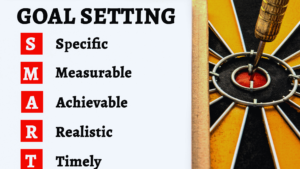
Setting realistic expectations is crucial for a stress-free shopping experience. Before heading out, individuals should be clear about their needs. It helps to create a list of essential items, focusing on specific styles or colors.
Understanding personal fit and preferences can save time. It may be beneficial to know which brands and styles typically work best. If they know their size in advance, they can narrow down options faster.
Being prepared for potential setbacks is also important. Accepting that not every trip will lead to finding the perfect item reduces frustration. A mindset open to exploration can transform shopping into a more enjoyable adventure.
Planning Ahead and Budgeting
Planning ahead significantly cuts down on shopping stress. Setting aside a dedicated time to shop allows individuals to concentrate without feeling rushed. It’s helpful to decide on shopping locations that are known to carry desired items.
Budgeting is another vital aspect. By determining how much to spend ahead of time, shoppers can avoid the anxiety of overspending. Creating a visual budget, like a simple table or spreadsheet, can keep finances in check.
Using a handy calculator app can help track expenditures while shopping. This method provides immediate updates on spending and helps stick to the budget. Effectively planning can lead to a more focused and less stressful shopping experience.
Embracing Online Shopping Options
Online shopping has become a popular alternative that many people find less stressful. It allows for greater flexibility in terms of time and location. Shoppers can browse from the comfort of home without the pressure of a crowded store.
Creating a wishlist on various retail websites can simplify decision-making. It is easy to compare prices and products without juggling multiple items physically. Most websites offer filters that make finding specific styles, sizes, or colors more manageable.
Additionally, many online retailers provide customer reviews. These insights can guide decision-making and reduce uncertainty. Utilizing easy return policies also minimizes risk, allowing for convenient exchanges if needed.